Which is easy cybersecurity or artificial intelligence
Published: 9 Dec 2025
Cybersecurity and artificial intelligence are two of the fastest-growing fields in technology today. Companies across industries need skilled professionals who can protect data, networks, and systems, or build smart machines that learn and predict. Job reports show that both fields are in high demand, and the need for skilled talent is growing year after year.
Beginners often ask: Which field is easier to learn and start, cybersecurity or artificial intelligence? The answer depends on your interests, strengths, and learning style. This blog provides a simple, complete guide to both fields. You will learn what each field does, the skills needed, career paths, salaries, demand, and certifications. Real-life examples and actionable tips will help you see which path fits your goals.
Table of Contents
What Is Cybersecurity? Simple Overview

Cybersecurity is the practice of protecting networks, computers, systems, and data from attacks. It is about keeping information safe from hackers, malware, and other threats. Cybersecurity professionals work to detect risks, prevent attacks, and respond to security incidents.
What Cybersecurity Professionals Do
Cybersecurity tasks often include:
- Monitoring networks and systems for unusual activity
- Identifying vulnerabilities before hackers can exploit them
- Responding to incidents like security breaches
- Implementing security protocols to protect data
- Educating users about safe online practices
For Example, A hospital hires a cybersecurity analyst to protect patient records. The analyst monitors networks, blocks suspicious activity, and ensures that sensitive information stays safe.
Skills Needed in Cybersecurity
- Understanding networks and operating systems
- Risk management and vulnerability assessment
- Knowledge of security tools and protocols
- Analytical and problem-solving skills
- Communication skills to explain risks to non-technical teams
Entry-Level Roles
Beginners can start as:
- Security Analyst
- Information Security Specialist
- SOC Analyst
These roles provide hands-on experience and a strong foundation in the field.
Why Cybersecurity Feels Easier
Cybersecurity often feels easier for beginners because you can start with basic tools and concepts. You can see immediate results, like stopping an attack or fixing a vulnerability. It’s hands-on and practical, which many beginners enjoy.
What Is Artificial Intelligence? Simple Overview

Artificial intelligence (AI) is the field where machines learn, predict, and make decisions. AI systems work with data, models, and algorithms to mimic human intelligence. You see AI in chatbots, recommendation systems, self-driving cars, and smart assistants.
What AI Professionals Do
AI work often includes:
- Collecting and cleaning data
- Training machine learning models
- Building and improving algorithms
- Creating AI-powered solutions for businesses
- Working with natural language processing or computer vision
For example: A bank uses AI to detect fraud. The AI model studies spending patterns and flags suspicious transactions before they cause losses.
Skills Needed in AI
- Strong math and statistics skills
- Programming languages like Python or R
- Knowledge of machine learning and deep learning
- Familiarity with frameworks like TensorFlow or PyTorch
- Analytical thinking and problem-solving
Why AI Feels Harder
AI can feel harder because it involves complex math, coding, and data analysis. Models need training, testing, and optimization, which takes time and patience. But AI offers high pay and opportunities to create innovative solutions, which is appealing to many learners.
AI vs Cybersecurity: Key Differences
| Feature | Cybersecurity | Artificial Intelligence |
| Focus | Protecting systems | Creating smart systems |
| Work Style | Hands-on, reactive | Research, coding, data-focused |
| Skills Needed | Networking, tools, risk analysis | Math, programming, data modeling |
| Learning Curve | Easier start | Steeper start |
| Impact | Immediate, tangible | Long-term, innovative |
| Salary | High | Often higher |
| Job Demand | Very high | High and growing |
Interest check:
- Do you enjoy solving puzzles and detecting problems? Cybersecurity fits you.
- Do you enjoy numbers, patterns, and building systems? AI fits you.
Career Paths
Cybersecurity Career Paths
- Security Analyst
- Penetration Tester
- Incident Response Specialist
- Security Architect
- Chief Information Security Officer (CISO)
AI Career Paths
- Machine Learning Engineer
- Data Scientist
- NLP Specialist
- Computer Vision Engineer
- AI Researcher
Takeaway: Cybersecurity focuses on protection. AI focuses on creation. Both fields have clear growth paths and specializations.
Job Market Demand
Cybersecurity Demand
Cybersecurity is critical across industries. Every organization needs security. Hospitals, banks, schools, and tech companies hire professionals to prevent attacks. According to CyberSeek, there are hundreds of thousands of open cybersecurity jobs in the US alone.
AI Demand
AI demand grows as companies adopt automation. AI helps in finance, healthcare, retail, and tech. AI skills are scarce, which creates strong opportunities for professionals who can build and train AI models.
Simple takeaway: Both fields offer strong careers. Cybersecurity demand is immediate and consistent. AI demand grows rapidly and can lead to innovation-focused roles.
Salary Comparison
Cybersecurity Salary
- Entry-level: ~$96,000 per year
- Mid-level: ~$124,000 per year
- Senior-level: $170,000+ per year
AI Salary
- Entry-level: ~$115,000 per year
- Mid-level: ~$153,000 per year
- Senior-level: $200,000+ per year
Simple summary: Cybersecurity pays well and is easier to start. AI can pay more but requires deeper skills.
Skills and Certifications
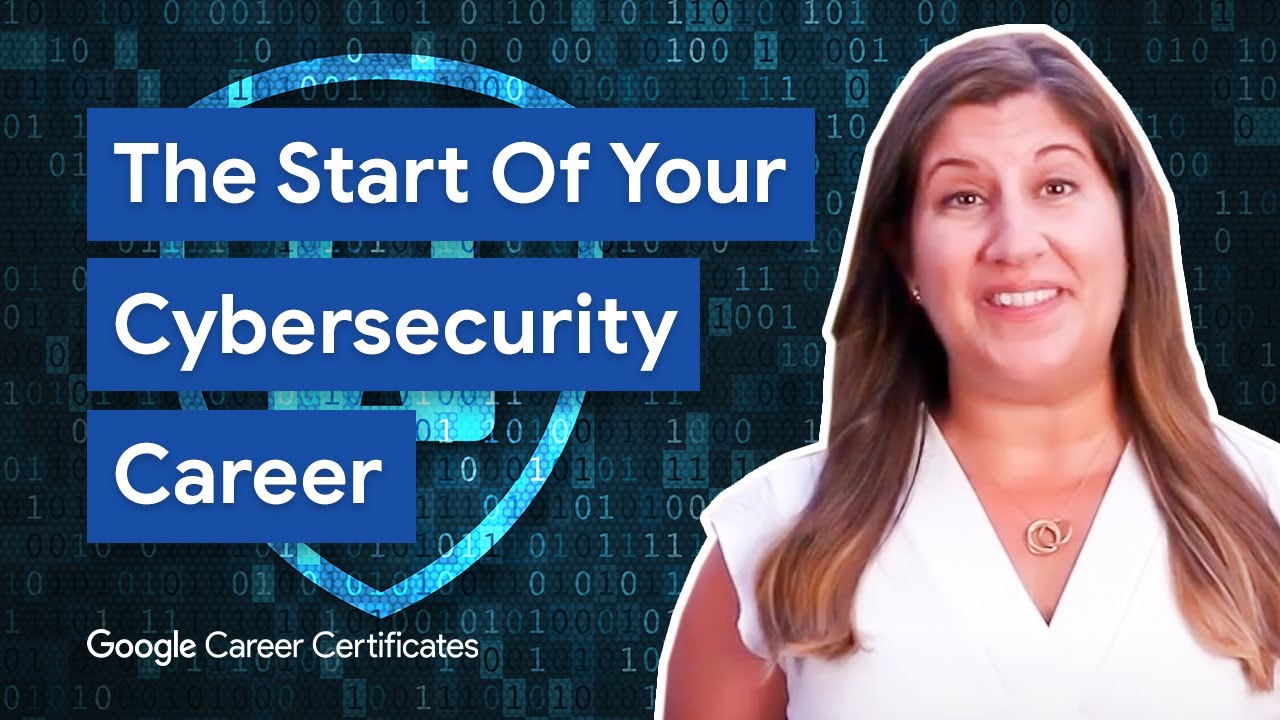
Cybersecurity Skills
- Networking
- Risk management
- Vulnerability assessment
- Incident response
- Threat detection
Cybersecurity Certifications
- CompTIA Security+ (Beginner-friendly)
- Certified Cloud Security Professional (CCSP)
- Certified Information Systems Security Professional (CISSP)
AI Skills
- Machine learning and deep learning
- Programming in Python or R
- Data analysis and visualization
- Natural language processing
- Model training and optimization
AI Certifications
- Google Professional Machine Learning Engineer
- IBM AI Engineering Professional Certificate
- Microsoft Certified: Azure AI Engineer Associate
Pro tip: Start with one skill at a time, use real projects, and practice consistently.
Conclusion
Cybersecurity and artificial intelligence both offer strong career opportunities and high demand in the tech industry. Cybersecurity protects networks, systems, and data, while AI creates intelligent models and solutions.
For beginners, cybersecurity is often easier to start because it focuses on hands-on defense, threat detection, and incident response. AI requires math, coding, and model training, but it offers higher salaries and innovative work.
Both fields provide clear career paths: cybersecurity roles like analyst, penetration tester, or CISO, and AI roles like data scientist, machine learning engineer, or NLP specialist. Certifications like CISSP, CCSP, or Google ML Engineer can boost growth and credibility.
The best choice depends on your interests, strengths, and goals. Do you enjoy protecting systems and solving real-time problems, or do you enjoy building smart machines and analyzing data?
Both paths have strong salaries, skills growth, and future potential. Start learning, explore projects, and pick the path that excites you most. Your future in tech depends on taking that first step today.
FAQs
Is cybersecurity easier than AI?
Yes. Cybersecurity is usually easier for beginners.
Which pays more?
AI often pays more, but both fields offer high salaries.
Can AI be used in cybersecurity?
Yes. AI models can detect threats, analyze patterns, and improve protection.
Do I need math for AI?
Yes. Math and statistics are essential for training models.
Can I switch from cybersecurity to AI?
Yes. Some skills like programming, problem-solving, and security awareness can overlap.





- Be Respectful
- Stay Relevant
- Stay Positive
- True Feedback
- Encourage Discussion
- Avoid Spamming
- No Fake News
- Don't Copy-Paste
- No Personal Attacks
- Be Respectful
- Stay Relevant
- Stay Positive
- True Feedback
- Encourage Discussion
- Avoid Spamming
- No Fake News
- Don't Copy-Paste
- No Personal Attacks
