How to Get Into Cyber Risk Management: Skills, Certifications & Career Path
Published: 22 Oct 2025
Every day, new cyber threats put companies and people at risk. From stolen data to hacked systems, the need to manage cyber risk has never been greater. That’s where Cyber Risk Management comes in—it helps organizations find, understand, and reduce digital threats before they cause real harm.
If you’re curious about cybersecurity but don’t know where to start, this field could be your perfect entry point. Cyber risk management combines technology, problem-solving, and business thinking—skills that are valuable in every industry. Think about it: banks, hospitals, schools, and even small startups all need people who can keep their data safe. You can also read our post on why cybersecurity is important for business to see how these skills protect organizations every day.
In this guide, you’ll learn how to start a career in cyber risk management, even if you’re new to the field. We’ll cover what it is, why it matters, and the steps to build your skills and confidence.
Before we dive into the process, let’s first understand what cyber risk management really means.
Table of Contents
What Is Cyber Risk Management?
Cyber Risk Management means finding, studying, and reducing the chances of cyber threats hurting an organization. In simple words, it’s about protecting digital systems and data from attacks or mistakes that could cause damage. Companies use this process to stay safe, follow laws, and keep business running smoothly.
It usually follows well-known frameworks like NIST, ISO 27005, or FAIR. These help teams understand where risks come from and how to control them. For example, the NIST Framework gives step-by-step guidance to identify, protect, detect, respond, and recover from cyber threats.
You can think of cyber risk management as a mix of cybersecurity, business planning, and compliance. It helps organizations balance protection with performance. This is why many professionals who start with technical roles later move into governance, risk, and compliance (GRC) positions.
If you want to dive deeper into the basics of cybersecurity itself, check out our guide on How Does Cybersecurity Work. It explains the core idea behind keeping systems safe — the foundation of every risk management plan.
Understanding what cyber risk management involves helps explain why it’s one of the top cybersecurity career paths today.
Why Choose a Career in Cyber Risk Management?
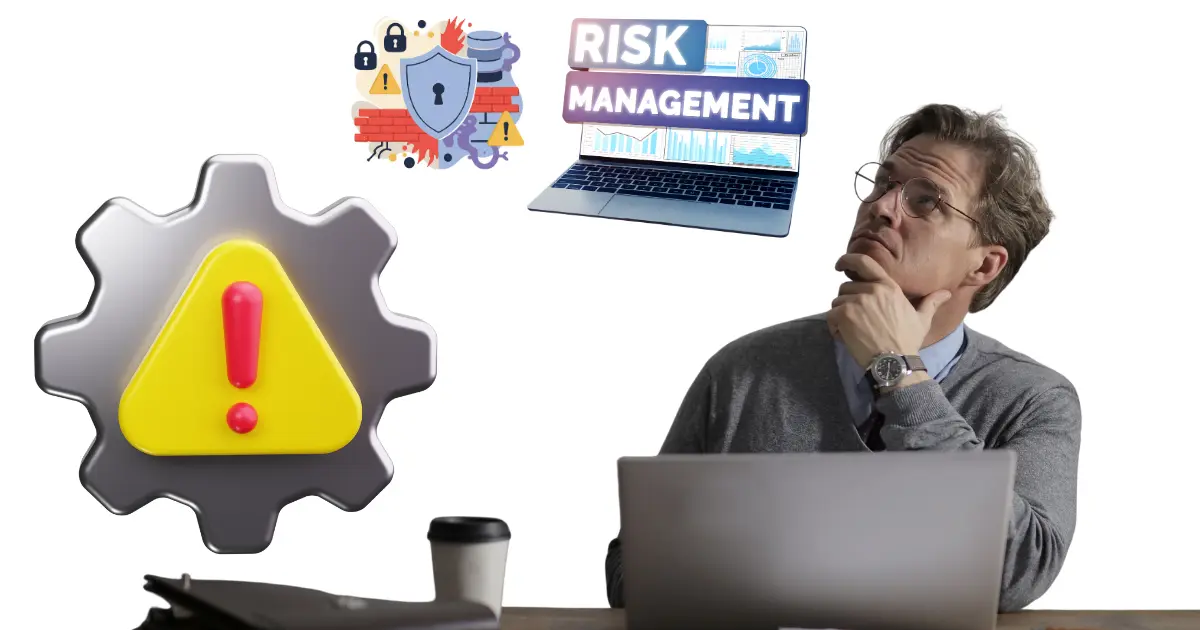
Cyber risk management has become one of the most in-demand fields in the cybersecurity world. As businesses rely more on digital systems, the number of threats has grown — from data breaches to ransomware attacks. Every organization, no matter its size, now needs professionals who can identify, measure, and manage cyber risks effectively.
The demand is clear. Companies in finance, healthcare, and government sectors are investing heavily in risk management teams to meet compliance rules and prevent costly incidents. This shortage of skilled experts means that cyber risk professionals enjoy excellent job security and career growth. The average salaries are rising too, especially for those who understand both technology and business.
One reason this career stands out is its balance between technical work and strategy. You might work with security engineers to test controls or join compliance meetings to discuss governance. It’s a career that blends problem-solving, communication, and leadership — ideal for people who like seeing the bigger picture of cybersecurity.
Many who start in technical cybersecurity roles later move into risk and governance positions, as covered in our guide on how to become a cybersecurity engineer. The transition is natural because both paths rely on understanding how systems fail — and how to prevent it.
With the world becoming more digital each year, organizations are prioritizing cyber risk management like never before. Let’s now explore what kind of education and foundational knowledge will help you enter this growing field.
Educational Background and Foundational Knowledge
To start a career in cyber risk management, you don’t need a single, fixed path. What matters most is understanding both technology and business risk. Most professionals begin with a degree in Cybersecurity, Information Technology, Computer Science, or even Business and Law. These subjects teach how systems work, how data is protected, and how laws guide digital safety.
If you prefer an academic route, a bachelor’s degree gives you the foundation to understand networks, data protection, and compliance. Some professionals even pursue advanced degrees, like a doctorate in cybersecurity, to focus on research or leadership roles.
But a degree isn’t the only way in. Many learners build their skills through online courses, bootcamps, or self-study programs. These are faster, hands-on ways to learn essential topics like risk assessment, threat analysis, and incident response. Reading trusted materials, such as the best cybersecurity books for beginners, can also help you get started with clear, simple concepts.
To grow your understanding, it helps to learn popular frameworks such as NIST, ISO 27005, and FAIR. These frameworks guide how to find, measure, and manage cyber risks — core steps in every organization’s strategy. If you want to apply your learning practically, start building a small project or portfolio. Our guide on how to create a cybersecurity portfolio website shows you how to showcase your skills clearly and professionally.
With a solid educational base — whether from school, online learning, or self-study — you’ll be ready to move forward. The next step is learning the essential skills that make a strong cyber risk professional.
Essential Skills for Cyber Risk Management

To succeed in cyber risk management, you need a mix of technical skills and soft skills. These two areas work together — one helps you find and fix risks, while the other helps you explain those risks clearly to others.
Hard skills are the technical abilities that help you understand and manage cyber threats. You should know how to analyze systems, identify weaknesses, and measure risk impact. Learning frameworks like NIST RMF, ISO 27005, and FAIR gives you the structure to do this correctly. Familiarity with GRC (Governance, Risk, and Compliance) tools such as Archer or LogicGate can also make you more efficient in tracking and reporting risks. These tools are often used by large companies to manage compliance and audits.
Mathematical and analytical thinking are also key. Understanding numbers helps you quantify risks, a method explored deeply in our post on how math in cybersecurity builds stronger digital defenses. Knowing how to calculate risk probabilities can make your reports more accurate and useful for decision-makers.
Soft skills matter just as much. You’ll need strong communication, critical thinking, and problem-solving abilities. Cyber risk managers often explain complex security issues to executives who may not have technical backgrounds. Being able to simplify information, lead meetings, and make clear recommendations builds trust and authority.
To apply these skills, try joining cybersecurity communities, working on team projects, or volunteering for security awareness programs. Practice turning data into insight — that’s what makes you valuable.
Once you’re confident in your abilities, the next step is to earn certifications that prove your knowledge and open doors to higher-level roles.
Best Certifications to Start Your Cyber Risk Career
Certifications help you prove your knowledge and show employers you’re ready for real-world challenges. They also give structure to your learning and keep your skills current with industry standards. In cyber risk management, certifications fall into three main levels — beginner, intermediate, and advanced.
Beginner certifications are great if you’re new to cybersecurity. Programs like CompTIA Security+ or CompTIA Cybersecurity Analyst (CySA+) teach you the basics of identifying and managing risks. They also introduce key ideas about network security and threat detection — a solid start for anyone entering the field.
Once you have the basics, move to intermediate-level certifications that focus directly on risk and governance. Two strong options come from ISACA — the Certified in Risk and Information Systems Control (CRISC) and the Certified Information Security Manager (CISM). Both measure how well you can design and oversee risk management programs. You can explore other great options in our detailed guide to the top cybersecurity certifications, which compares credentials by skill level and career goals.
At the advanced level, professionals often pursue the CISSP (Certified Information Systems Security Professional) from (ISC)² or ISO 27001 Lead Implementer certification. These validate leadership and strategic planning skills — ideal for managers or consultants who guide entire risk programs.
Each certification builds on the one before it. Start small, gain confidence, and grow into roles that require deeper expertise. Once you’ve validated your knowledge, real-world experience becomes the next key step toward a successful career in cyber risk management.
Step-by-Step Path to Get Into Cyber Risk Management
Getting into cyber risk management takes planning, patience, and consistent learning. Here’s a simple path you can follow — each step builds on the last to help you gain both knowledge and confidence.
1. Learn cybersecurity fundamentals.
Start by understanding how cyber threats work and how systems stay secure. Learn about networks, firewalls, data protection, and common attacks. Our guide on how cybersecurity works can help you grasp the basics before diving into risk management.
2. Study core risk frameworks.
Familiarize yourself with the NIST Risk Management Framework, ISO 27005, and FAIR. These models teach you how to identify, assess, and mitigate cyber risks in structured ways. Use online resources or short courses to practice applying these frameworks to real-world scenarios.
3. Earn foundational certifications.
Once you understand the basics, get certified. Start with beginner options like CompTIA Security+, then move toward CRISC or CISM for a risk-focused career. These certifications signal to employers that you can apply theory to practice.
4. Gain practical experience with GRC tools.
Hands-on practice matters. Tools like Archer, LogicGate, and ServiceNow GRC are common in this field. If you’re still learning, try building a simple project or portfolio to show your work — use our guide on how to create a cybersecurity portfolio website for step-by-step help.
5. Build a career portfolio.
Document your learning, projects, and certifications. Include frameworks you’ve studied, tools you’ve used, and reports you’ve written. A clear portfolio makes you stand out when applying for roles.
6. Network and engage in industry events.
Join cybersecurity forums, webinars, or LinkedIn groups. Networking helps you find mentors, learn from real experts, and discover new job openings.
7. Apply for entry-level roles.
Look for positions such as Cyber Risk Analyst, Compliance Associate, or IT Auditor. Even if you start small, each role helps you grow your understanding of risk and compliance.
By following these steps, you’ll move from learning the basics to applying them in real-world situations. These actions prepare you for entry-level positions in the cyber risk domain, which is where your professional journey truly begins.
Entry-Level Roles in Cyber Risk Management
When you’re ready to start your career, several entry-level roles can open the door to cyber risk management. Each role builds your experience in identifying, analyzing, and reporting risks — the foundation of the field.
Cyber Risk Analyst: This is the most common starting point. Analysts review systems and processes to find weak points, assess risk levels, and help create mitigation plans. They work closely with IT and compliance teams to make sure all risks are tracked and managed properly.
Compliance Associate: These professionals focus on regulations and standards. They ensure that the organization follows frameworks like ISO 27001, GDPR, or NIST. It’s a great role if you’re detail-oriented and enjoy understanding laws and business policies.
IT Auditor: Auditors evaluate internal systems to check whether security controls are effective. This job helps you learn how to test and measure compliance — key skills for any future risk manager.
GRC Specialist (Governance, Risk, and Compliance): A GRC specialist helps connect technical and business sides of cybersecurity. They manage reporting, coordinate risk reviews, and support policy enforcement.
Over time, you can grow into senior roles such as Risk Manager, GRC Manager, or even Chief Information Security Officer (CISO). You can read more about leadership growth in our guide on how to become a Chief Information Security Officer, which explains what it takes to lead a cybersecurity team at scale.
Even if you’re switching from another career, these roles are within reach once you build the right mix of skills, certifications, and experience.
Transitioning from Other Fields
You don’t need to start your journey in cybersecurity to build a career in cyber risk management. Many professionals successfully transition from fields like IT, finance, law, and auditing — areas that already involve risk awareness and compliance.
If you come from IT or software development, you likely understand how systems work. That technical insight helps you spot vulnerabilities and assess how security failures might happen. In contrast, professionals from finance or auditing already know how to evaluate risk, controls, and compliance — skills that transfer smoothly into governance and reporting roles.
For example, an auditor experienced in control testing can quickly adapt to risk analysis, while a legal professional skilled in data protection laws can move into compliance or policy-focused positions. Both bring valuable perspectives that make risk management more complete.
Unlike purely technical cybersecurity roles, cyber risk management focuses on prevention, governance, and business alignment. This means professionals from other sectors often find the shift easier and more rewarding.
If you’re considering a move, start by learning the basics of cybersecurity frameworks and risk principles. Our guide on cybersecurity vs software engineering explains how different technical fields compare and where risk management fits in.
Once you’ve entered the field, remember that continuous growth is essential. Cyber threats evolve, and so must your knowledge — which leads us to the next section: how to build long-term growth and authority in your career.
Career Growth and Future Trends in Cyber Risk Management
Cyber risk management isn’t just a stable career — it’s a rapidly evolving field that adapts to every new wave of digital change. As AI, automation, and cloud computing expand, organizations need experts who can translate complex risks into clear business strategies.
Career Growth Path
After gaining a few years of experience as a Cyber Risk Analyst or Compliance Associate, you can move into mid-level roles such as Risk Manager, Governance Lead, or Information Security Consultant. These positions focus more on decision-making and policy development than technical execution.
From there, professionals often aim for leadership roles like Chief Risk Officer (CRO) or Chief Information Security Officer (CISO). Both require strategic thinking, communication skills, and a deep understanding of global compliance standards. Our in-depth post on top cybersecurity regulations explains how mastering compliance frameworks can accelerate your leadership path.
Emerging Trends Shaping the Field
- AI-Driven Risk Analysis: Artificial intelligence is now helping companies predict risks before they occur. This approach mirrors how AI tools, such as Gemini Nano, are changing tech operations, as discussed in our article on Google Gemini Nano’s AI impact.
- Integrated GRC Platforms: Tools that combine governance, risk, and compliance into one system are becoming standard, making risk tracking more efficient and data-driven.
- Cloud Risk and Third-Party Security: As businesses depend on vendors and cloud providers, third-party risk management is one of the fastest-growing areas in the industry.
- Regulatory Expansion: Governments are introducing stricter cybersecurity laws, requiring experts who can align operations with evolving global standards.
Why the Future Looks Bright
With cyberattacks increasing and digital ecosystems expanding, risk management professionals are now core to every organization’s security strategy. Those who keep learning, adapt to new tools, and understand both the technical and business sides will stay ahead.
The next section will help you connect everything — summarizing how to start, grow, and thrive in this rewarding career path.
Conclusion
Cyber Risk Management has become one of the most important areas in modern cybersecurity. As digital threats grow and compliance rules tighten, professionals who can manage risk, governance, and security frameworks play a vital role in keeping organizations safe.
If you’re ready to begin, start by learning the fundamentals of cybersecurity, then earn recognized certifications and gain real-world experience with risk frameworks. Focus on building a portfolio that shows how you can identify, assess, and mitigate cyber risks effectively.
The demand for skilled cyber risk professionals is rising across every industry. The future of cybersecurity depends on people who understand digital risk — your journey into Cyber Risk Management can start today.
To plan your next step, explore our detailed guide on top cybersecurity certifications.
FAQs on Getting Into Cyber Risk Management
1. What is Cyber Risk Management?
Cyber Risk Management is the practice of identifying, assessing, and reducing risks that could harm a company’s digital systems or data. It brings together cybersecurity, compliance, and governance to protect businesses and ensure operational continuity.
2. What is the role of GRC in Cyber Risk Management?
GRC — which stands for Governance, Risk, and Compliance — provides the structure organizations use to manage and monitor risks. It connects security actions with business goals, ensuring that every cyber defense effort aligns with legal and operational standards.
3. How to start a career in Cyber Risk Management?
Start by learning cybersecurity basics, including frameworks such as NIST RMF and ISO 27005. Then earn certifications like CRISC or CISM, and build hands-on experience with GRC platforms. You can also read our detailed guide on how to create a cybersecurity portfolio website to showcase your skills effectively.
4. How to transition into Cyber Risk Management from another field?
Map your existing strengths to risk-oriented roles. For instance, auditors understand control testing, which translates well to risk assessment. IT and compliance professionals can shift toward governance and risk coordination. Strong communication and analytical skills make this transition easier.
5. What’s the difference between Cybersecurity and Cyber Risk Management?
Cybersecurity focuses on protecting systems from attacks, while Cyber Risk Management evaluates and prioritizes the business risks behind those threats. In short, cybersecurity defends, while risk management strategizes. Both work together to maintain long-term digital resilience.
6. Do you need certifications to work in Cyber Risk Management?
Yes — certifications validate your expertise and open new career paths. Beginner options like CompTIA Security+ and ISO 27001 Foundation build your base. Advanced credentials such as CISM, CRISC, and CISSP show employers you understand complex governance and risk frameworks. Learn more in our guide to top cybersecurity certifications.






- Be Respectful
- Stay Relevant
- Stay Positive
- True Feedback
- Encourage Discussion
- Avoid Spamming
- No Fake News
- Don't Copy-Paste
- No Personal Attacks
- Be Respectful
- Stay Relevant
- Stay Positive
- True Feedback
- Encourage Discussion
- Avoid Spamming
- No Fake News
- Don't Copy-Paste
- No Personal Attacks
