Advantages and Disadvantages of AI in the Workplace
Published: 25 Oct 2025
Technology is changing how people work every day. Machines and smart tools now help with tasks that used to take hours. This topic, advantages and disadvantages of AI in the workplace, means looking at how these tools make jobs easier or harder.
It’s important to understand both sides. Knowing the good helps us use technology better. Knowing the bad helps us prepare for challenges.
In this article, you will learn how Artificial Intelligence improves work speed and accuracy, how it affects jobs, and what balance we can create between people and machines.
Table of Contents
Advantages of AI in the Workplace
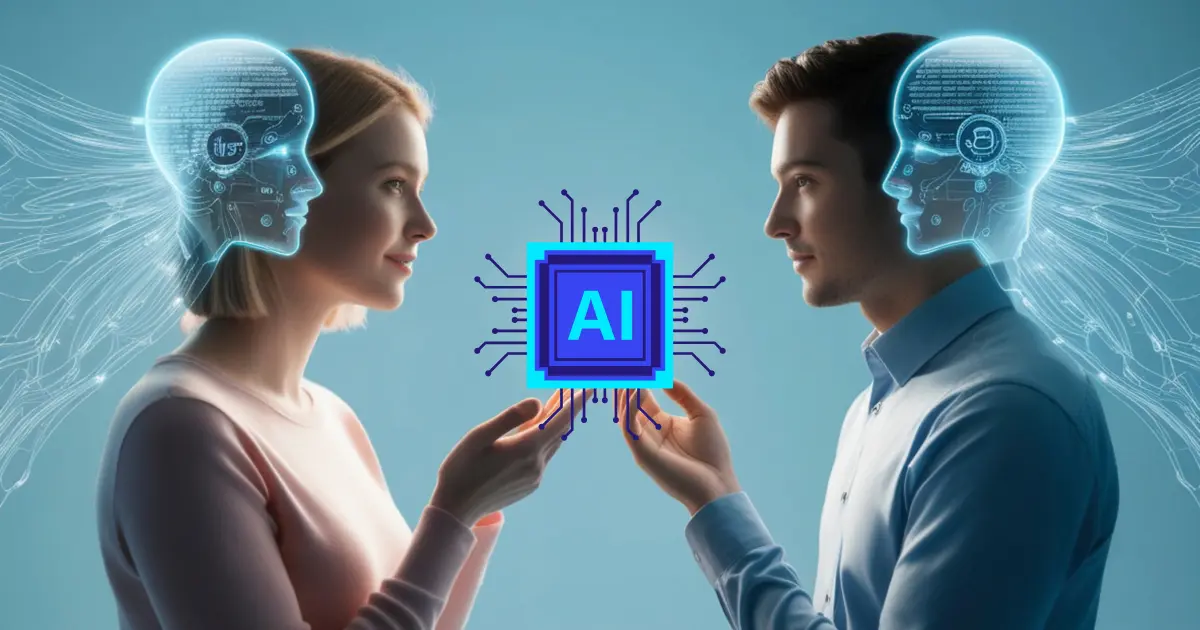
Using AI in the workplace brings many benefits. It helps people work faster, make fewer mistakes, and focus on creative tasks. It also supports better decisions by analyzing large amounts of data quickly. Overall, AI makes work smoother and more efficient.
Here are the main advantages:
- Improved Productivity: AI handles routine tasks so employees can focus on important work.
- Better Accuracy: Smart systems reduce human errors in reports and data entry.
- Time Savings: Automated tools complete tasks in minutes instead of hours.
- Informed Decisions: AI provides insights from data that help leaders make smart choices.
- 24/7 Availability: AI systems can work anytime without breaks or rest.
1. Improved Productivity
AI helps people finish work faster by taking care of simple tasks. Workers can then spend more time on creative or problem-solving jobs. This saves energy and increases overall output. It also keeps the workflow steady and organized.
Key Advantages:
- Frees employees from repetitive work.
- Increases focus on important projects.
- Helps teams complete goals faster.
2. Better Accuracy
Smart systems reduce mistakes that often happen in manual work. They follow set steps and check details carefully. This makes reports and data more reliable. It also builds trust in the work process.
Key Advantages:
- Reduces typing and calculation errors.
- Produces cleaner and more accurate results.
- Improves quality control and consistency.
3. Time Savings
Automation helps finish long tasks in a short time. It removes the need for slow, manual steps. This gives workers more time to plan and think. It also helps companies complete projects on time.
Key Advantages:
- Speeds up daily tasks.
- Saves hours that can be used for planning.
- Helps meet deadlines easily.
4. Informed Decisions
AI studies large amounts of data and finds useful patterns. This helps leaders understand what works best. They can make smarter choices using clear information. It also reduces the risk of poor planning.
Key Advantages:
- Supports better business strategies.
- Shows trends and customer needs.
- Helps solve problems with real data.
5. 24/7 Availability
Unlike people, smart tools can work all day and night. They don’t need breaks, sleep, or holidays. This keeps work running even after hours. It also helps companies serve customers at any time.
Key Advantages:
- Provides nonstop service.
- Handles work even during off-hours.
- Improves customer satisfaction.
Disadvantages of AI in the Workplace
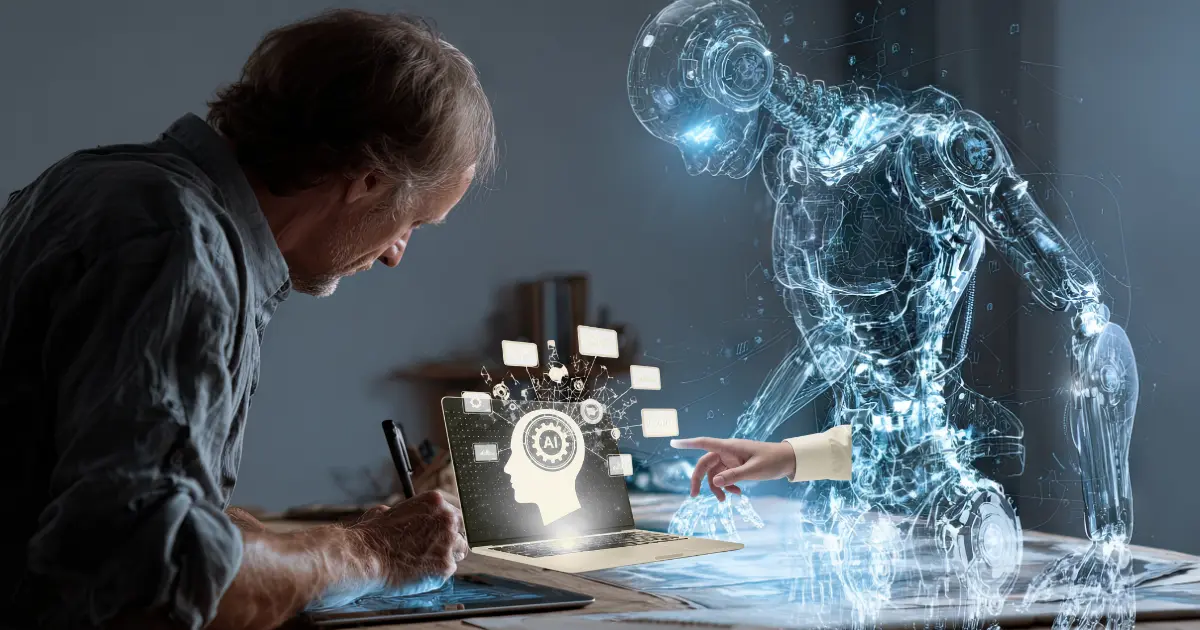
While AI offers many benefits, it also comes with some challenges. It can replace human jobs, which may cause worry among workers. Some systems are costly to set up and maintain. There is also a risk of depending too much on machines, which can lead to less human thinking and creativity.
Here are the main disadvantages:
- Job Loss: Machines may take over tasks once done by people.
- High Costs: Setting up and running smart systems can be expensive.
- Lack of Human Touch: Machines cannot show emotions or empathy like people do.
- Data Privacy Risks: Collecting and storing data can lead to security problems.
- Overdependence on Technology: Relying too much on machines can weaken human skills.
1. Job Loss
When machines take over simple or repeated tasks, some people may lose their jobs. This can make workers feel unsafe about their future. Many fear that technology will replace them. It is important for companies to help workers learn new skills to stay valuable.
Main Concerns:
- Fewer job opportunities for workers.
- Increased worry about job security.
- Need for new skills and training.
2. High Costs
Using smart systems often requires a large amount of money. Businesses must pay for machines, software, and regular updates. They also need skilled staff to manage these tools. This can be hard for small companies with limited budgets.
Main Concerns:
- Expensive setup and maintenance.
- Extra costs for staff training.
- Hard for small businesses to afford.
3. Lack of Human Touch
Machines cannot understand feelings or emotions. They work by following fixed steps, not by showing care or empathy. This can make customer service or teamwork feel less personal. People still prefer human contact in many situations.
Main Concerns:
- No emotional understanding.
- Reduced personal connection with clients.
- May lower customer satisfaction.
4. Data Privacy Risks
Smart tools collect and store a lot of personal information. If data is not protected well, it can be stolen or misused. This can harm people’s trust and cause legal trouble. Companies must take strong steps to keep data safe.
Main Concerns:
- Risk of data theft or leaks.
- Misuse of private information.
- Possible loss of customer trust.
5. Overdependence on Technology
Relying too much on machines can weaken human thinking and problem-solving. Workers may forget how to do tasks without help from tools. This can cause problems if systems fail or stop working. People must balance technology use with their own skills.
Main Concerns:
- Reduced creativity and critical thinking.
- Trouble working without machines.
- Lower skill levels over time.
Quick Facts about AI in the Workplace
- Many people use smart tools at work without even noticing, like auto-correct or chat support bots.
- Some offices have machines that help schedule meetings or remind workers to take breaks.
- Studies show that technology at work can save several hours each week on simple tasks.
- Not all jobs will disappear because new roles are being created to manage these tools.
- Many companies use technology to make work safer in factories and warehouses.
- The best results happen when people and machines work together in balance.
Helpful Tips for Understanding AI in the Workplace
- Stay Curious: Learn a little about how smart tools work at your job. It helps you use them better.
- Ask Questions: If you don’t understand a new tool, ask for help. It’s the best way to learn.
- Keep Learning: Take short courses or watch videos to stay updated on new work trends.
- Work with Technology: Use tools to make your job easier, not to replace what you do best.
- Stay Balanced: Don’t depend on machines for everything. Keep using your own ideas and judgment.
- Be Open to Change: Technology keeps growing, so be ready to adapt and try new ways of working.
Conclusion: Advantages and disadvantages of ai in the workplace
AI in the workplace brings both progress and challenges. We learned how it helps save time, improve accuracy, and boost productivity. We also saw how it can cause job loss, high costs, and less human touch.
Understanding both sides helps us use technology wisely. The goal is not to replace people but to work together for better results.
Think smart before choosing how much technology to bring into your work.
FAQs about advantages and disadvantages of AI in the workplace
Can AI make work better by saving time and effort?
Yes, many companies report faster completion of simple tasks and fewer mistakes when smart tools are used. This lets workers move away from repetitive work and focus on more meaningful jobs. It helps both productivity and job satisfaction. Hope this clears your doubt.
Will using AI in the workplace always mean job cuts?
Not always. Some routine tasks may be done by machines, but new roles often appear too. Workers can shift into jobs that need human skills like teamwork and creativity. Companies who train employees for change tend to have smoother transitions. Hope this clears your doubt.
Are there risks to data privacy when using AI at work?
Yes. Since these systems often use a lot of data, companies must take care with how they collect, store, and protect it. Poor data protection can lead to leaks and loss of trust. Clear policies and tools to secure data make a big difference. Hope this clears your doubt.
Does relying on AI reduce the need for human judgement and creativity?
It can, if the human side is ignored. Machines are good at repeating tasks, but humans are still best at thinking creatively and handling emotions. Balancing machine tools with people’s ideas works best. It’s smart to keep developing human skills alongside tech. Hope this clears your doubt.
How can businesses balance the benefits and drawbacks of AI in the workplace?
They can start by being open about change and involving workers early. Training and up-skilling help workers adapt. Also, keeping checks for bias, privacy, and fairness matters. The goal is to use smart tools wisely so people and technology work together. Hope this clears your doubt
Picture Credit: Freepik




- Be Respectful
- Stay Relevant
- Stay Positive
- True Feedback
- Encourage Discussion
- Avoid Spamming
- No Fake News
- Don't Copy-Paste
- No Personal Attacks
- Be Respectful
- Stay Relevant
- Stay Positive
- True Feedback
- Encourage Discussion
- Avoid Spamming
- No Fake News
- Don't Copy-Paste
- No Personal Attacks
