What Are Cybersecurity Principles? Core Concepts, CIA Triad & Best Practices
Published: 13 Nov 2025
In today’s digital world, data is everywhere. Organizations and individuals rely on online data and digital assets, but this also exposes them to cyber attacks and online risks. Following cybersecurity principles helps protect sensitive information, maintain data safety, and strengthen IT security.
Understanding cybersecurity principles allows organizations and cybersecurity professionals to safeguard systems and digital assets, prevent unauthorized users from accessing online data, and reduce vulnerabilities. With remote work and BYOD becoming common, applying these principles is more important than ever.
By following core principles and security fundamentals, both individuals and organizations can secure their digital assets, protect sensitive information, and reduce the risk of cybercrime.
Table of Contents
Why Cybersecurity Principles Are Important
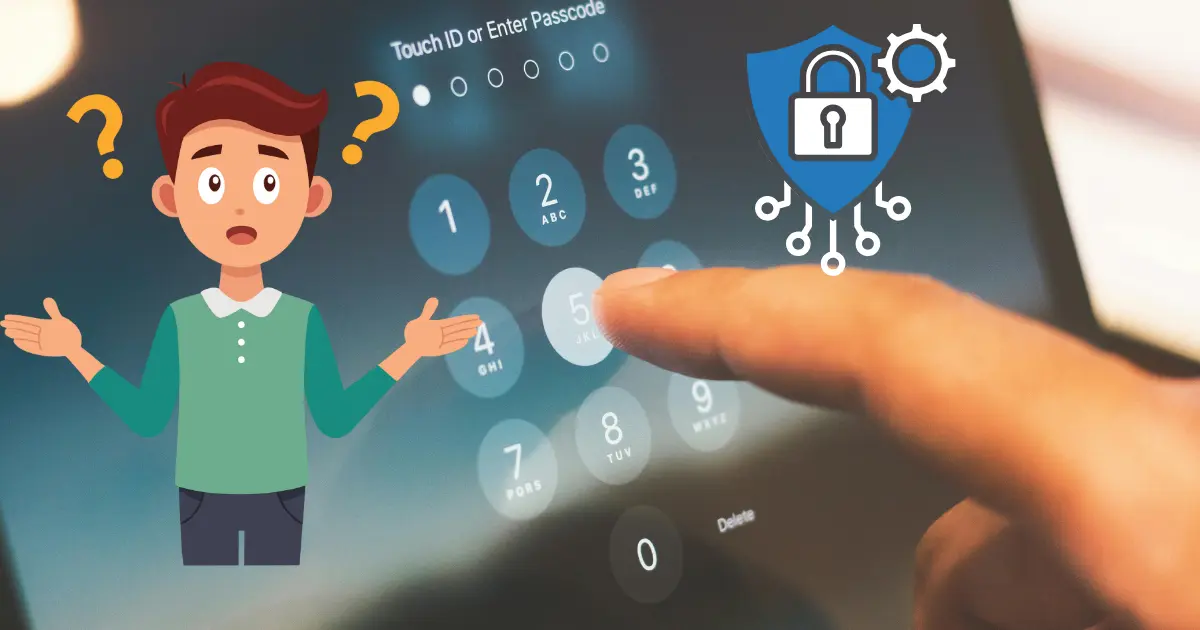
Cybersecurity principles are crucial because they safeguard digital assets, sensitive information, and online data from cyberattacks and other online threats. Following these rules helps organizations and individuals prevent unauthorized users from stealing or damaging information.
With remote work and BYOD, the chances of cybercrime increase. Companies that fail to adhere to core principles and security fundamentals risk losing data, compromising their systems, and damaging their reputation. Even a small mistake, like clicking a suspicious link, can lead to phishing attacks or social engineering incidents.
Applying cybersecurity principles ensures data safety, reduces threats, and improves IT security. For example, using strong passwords, multi-factor authentication, and access controls for systems can prevent unauthorized users from accessing digital assets. Cybersecurity professionals rely on these principles every day to create safe environments for both organizations and individuals.
Core Principles of Cybersecurity
There are several core principles that form the foundation of cybersecurity. Following these rules helps organizations and individuals protect digital assets, sensitive information, and online data from cyber attacks and unauthorized users.
Quick Overview of Core Cybersecurity Principles
| Cybersecurity Principle | Description | Example / Best Practice |
|---|---|---|
| Confidentiality | Ensures sensitive information is accessible only to authorized users. | Use strong passwords, multi-factor authentication, and role-based access. |
| Integrity | Protects data from being altered or tampered with. | Implement file integrity monitoring and regular audits. |
| Availability | Guarantees systems and data are accessible when needed. | Use backups, redundancy, and uptime monitoring. |
| Least Privilege | Users/systems only get access necessary for their role. | Limit access to financial records to accounting staff only. |
| Defense in Depth | Multiple layers of security protect digital assets. | Combine firewalls, antivirus, encryption, and monitoring. |
| Risk Management | Assess and mitigate potential threats proactively. | Conduct regular vulnerability assessments and penetration tests. |
Confidentiality, Integrity, and Availability
The CIA triad is the backbone of IT security.
Confidentiality ensures that sensitive information is private and only authorized people can access it.
Integrity ensures that data is accurate and cannot be changed by unauthorized users.
Availability ensures that systems and online data are accessible when needed.
For example, a hospital ensures patient records are only seen by doctors, not altered by outsiders, and are always available when needed for treatment.
Principle of Least Privilege
This principle means giving individuals or systems only the access they need. Limiting access reduces the risk of cybercrime and cyber attacks. For example, an employee in accounting should not have access to the IT system configurations.
Defense in Depth
This principle uses multiple layers of security measures to protect digital assets. If one layer fails, others still protect online data and systems. Examples include firewalls, antivirus software, strong passwords, and multi-factor authentication.
Risk Management
Cybersecurity professionals regularly assess online risks to protect data and digital assets. They identify vulnerabilities, evaluate threats, and implement strategies to reduce potential damage.
By following these core principles, organizations, individuals, and cybersecurity professionals can strengthen IT security, reduce cybercrime, and protect sensitive information effectively.
Common Cybersecurity Threats
Understanding cybersecurity principles is important, but it is equally important to know the threats they protect against. Organizations and individuals face many online risks that can compromise digital assets, sensitive information, and systems.
Phishing Attacks
Phishing attacks are attempts by cybercriminals to trick individuals or employees into sharing passwords or other sensitive information. For example, an email may look like it is from a trusted source but contains a link that steals online data. Following cybersecurity principles like verifying senders and using strong passwords helps prevent these attacks.
Social Engineering
Social engineering manipulates people into giving away digital assets or sensitive information. A common example is a phone call pretending to be from IT support asking for login credentials. Applying the principle of least privilege and security measures like multi-factor authentication can reduce the risk.
Malware and Ransomware
Malware is software designed to damage systems or steal data. Ransomware is a type of malware that locks digital assets until a payment is made. Using layered security measures, keeping systems updated, and restricting access help organizations and individuals stay safe.
Unauthorized Access
Unauthorized users try to access online data, systems, or sensitive information without permission. Following core principles like access controls and monitoring user activity protects digital assets from compromise.
Cybercrime and Cyber Attacks
Cybercrime includes all illegal online activities targeting digital assets and online data. Cyber attacks may aim to steal, alter, or destroy sensitive information. Adhering to security fundamentals, performing risk management, and training cybersecurity professionals can help mitigate these threats.
By knowing these common cybersecurity threats, organizations and individuals can apply cybersecurity principles more effectively to protect data, systems, and digital assets.
Tips to Apply Cybersecurity Principles
Knowing cybersecurity principles and common threats is important, but applying them correctly is what really protects digital assets, sensitive information, and online data. Here are some simple tips for organizations and individuals:
Limit Access to Sensitive Information
Follow the principle of least privilege. Only give individuals access to systems or data they need. For example, an employee in marketing does not need access to financial records. This reduces the risk of unauthorized users causing damage.
Use Strong Passwords and Multi-Factor Authentication
Strong passwords help protect online data. Adding multi-factor authentication makes it even harder for cybercriminals to break into systems.
Keep Systems Updated
Regularly update software and security systems. Updates fix vulnerabilities that cybercriminals can exploit.
Educate and Train Employees
Cybersecurity professionals recommend training employees about phishing attacks, social engineering, and other online risks. Awareness helps prevent cybercrime caused by human error.
Backup Data Regularly
Regular backups protect digital assets from malware, ransomware, or accidental deletion. Keep backups in a secure location separate from your main systems.
Monitor and Respond to Threats
Set up security measures to monitor systems and detect cyber attacks early. Quick action can reduce damage and protect sensitive information.
By following these tips, organizations and individuals can strengthen IT security, reduce online risks, and apply cybersecurity principles in everyday life.
Conclusion
Cybersecurity principles are the foundation of protecting digital assets, sensitive information, and online data. By following core principles and security fundamentals, organizations, individuals, and cybersecurity professionals can reduce cybercrime, prevent unauthorized access, and strengthen IT security.
Applying these principles is simple when you focus on practical steps. Limit access, use strong passwords, keep systems updated, train employees, back up data, and monitor for cyber attacks. These actions help protect data, ensure data safety, and secure systems against online risks.
Remember, cybersecurity is not just about technology. It is about awareness and consistent practice. Whether you are an individual managing personal information or part of an organization protecting vast digital assets, following cybersecurity principles is essential in today’s digital world.
By understanding and applying these principles, you can create a safer environment for online data, reduce vulnerabilities, and defend against cyber threats effectively.
FAQs: What Are Cybersecurity Principles
What are the core principles of cybersecurity?
The core principles of cybersecurity are confidentiality, integrity, and availability, often called the CIA triad.
Confidentiality ensures that information is accessible only to authorized users.
Integrity protects data from being altered or tampered with.
Availability guarantees that systems and data are accessible when needed.
Together, these principles form the foundation for protecting digital information and systems from cyber threats.
What are the first principles of cybersecurity?
The first principles of cybersecurity are the core concepts that form the foundation of all security frameworks. They include the CIA triad—Confidentiality, Integrity, and Availability—along with Least Privilege, Defense in Depth, and Risk Management.
Additional principles such as Simplicity, Process Isolation, and Domain Separation strengthen secure system design. Together, these first principles guide how organizations protect, detect, and respond to cyber threats effectively.
What are the principles of operational technology cybersecurity?
The principles of operational technology (OT) cybersecurity are key guidelines that protect industrial systems, critical infrastructure, and physical processes from cyber threats. The six core principles are:
Safety is paramount – Cybersecurity must always prioritize human safety and system reliability.
Know your business – Understand critical assets, systems, and their dependencies.
Protect OT data – Secure control logic, configurations, and operational information.
Segment and segregate networks – Separate OT systems from IT and external networks to reduce attack paths.
Secure the supply chain – Manage risks from vendors, hardware, and third-party access.
Empower people – Train and involve staff with both engineering and cybersecurity skills.
These principles ensure that industrial environments remain safe, reliable, and resilient while defending against modern cyber attacks on critical infrastructure.
What are the 5 basic principles of cybersecurity?
The 5 basic principles of cybersecurity form the foundation for protecting data, systems, and networks from cyber threats:
Confidentiality – Ensuring that sensitive information is accessible only to authorized users.
Integrity – Keeping data accurate, consistent, and protected from unauthorized changes.
Availability – Ensuring systems and data are accessible when needed by authorized users.
Least Privilege – Granting users and systems only the access necessary to perform their tasks.
Defense in Depth – Using multiple layers of security controls so that if one fails, others still protect assets.
These principles guide organizations in reducing risks, preventing unauthorized access, and securing digital assets effectively.
Sources:
Fortinet. What is the CIA Triad?





- Be Respectful
- Stay Relevant
- Stay Positive
- True Feedback
- Encourage Discussion
- Avoid Spamming
- No Fake News
- Don't Copy-Paste
- No Personal Attacks
- Be Respectful
- Stay Relevant
- Stay Positive
- True Feedback
- Encourage Discussion
- Avoid Spamming
- No Fake News
- Don't Copy-Paste
- No Personal Attacks
